What determines which crane is suitable for a lift?
Choosing a crane involves more than matching the load weight to the number written on the machine. Crane capacity changes with working radius, boom configuration, lift height and site conditions. A suitable unit must be able to access the site, establish a stable setup position and complete the lift within its rated capabilities.
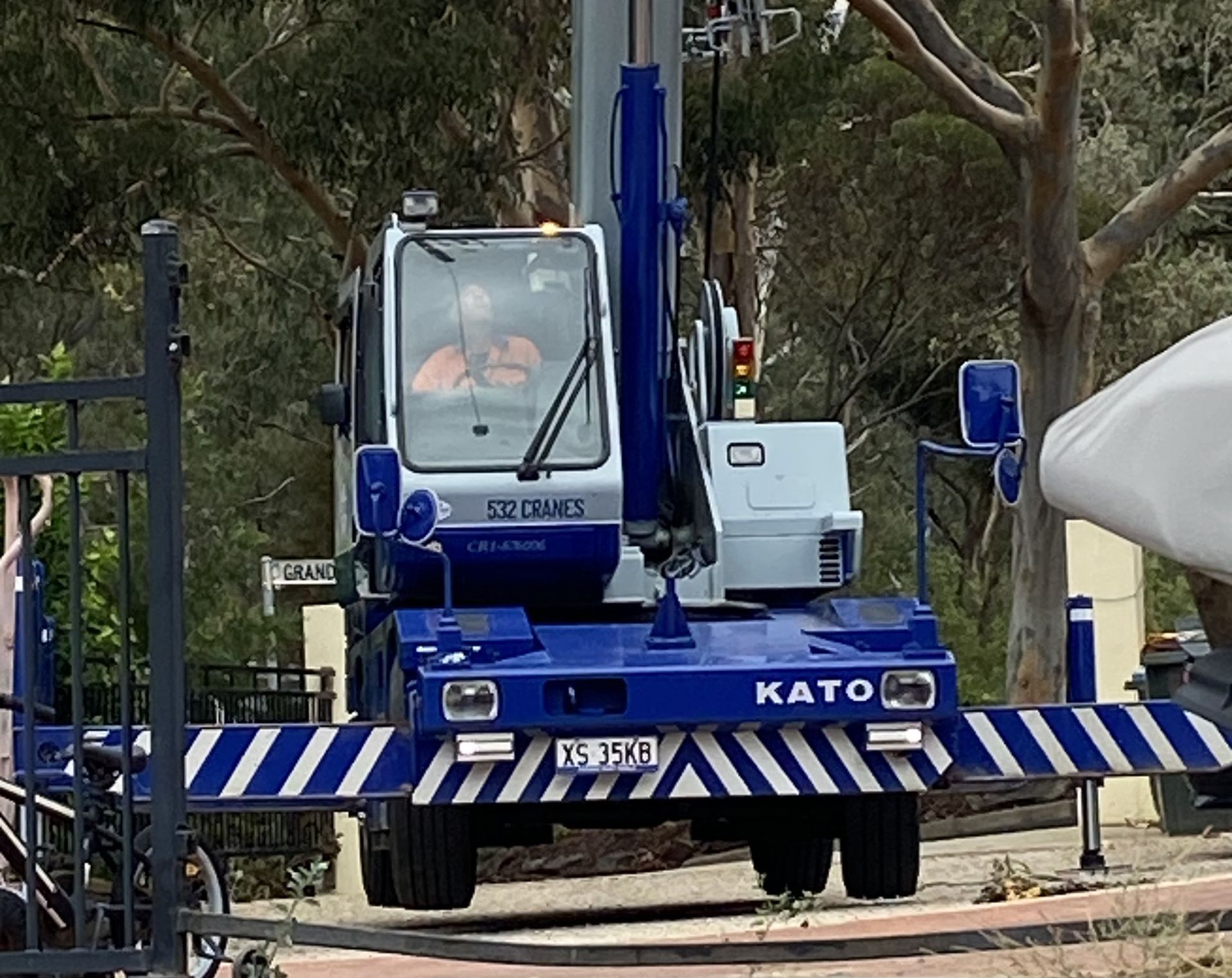
532 Cranes operates a KATO 13-tonne slewing crane and a Tadano 10-tonne slewing crane for small-to-medium lifts across Adelaide. When you request crane hire, the following project details help determine whether either unit is suitable.
Load weight is only the starting point
The confirmed load weight is essential, but it does not provide the complete picture. A crane may lift a particular weight close to its setup position but have a lower available capacity when the same load must be placed farther away.
Use manufacturer documents, fabrication drawings or supplier specifications wherever possible. Visual estimates can be inaccurate, especially for tanks, fabricated steel, machinery and components containing hidden internal structures.
Dimensions and load shape also matter. Long, uneven or top-heavy items may require different lifting arrangements from compact loads of a similar weight.
Working radius affects crane capacity
Working radius is the horizontal distance between the crane and the load. The crane provider needs to understand both the pickup position and the final placement location to assess the complete lift.
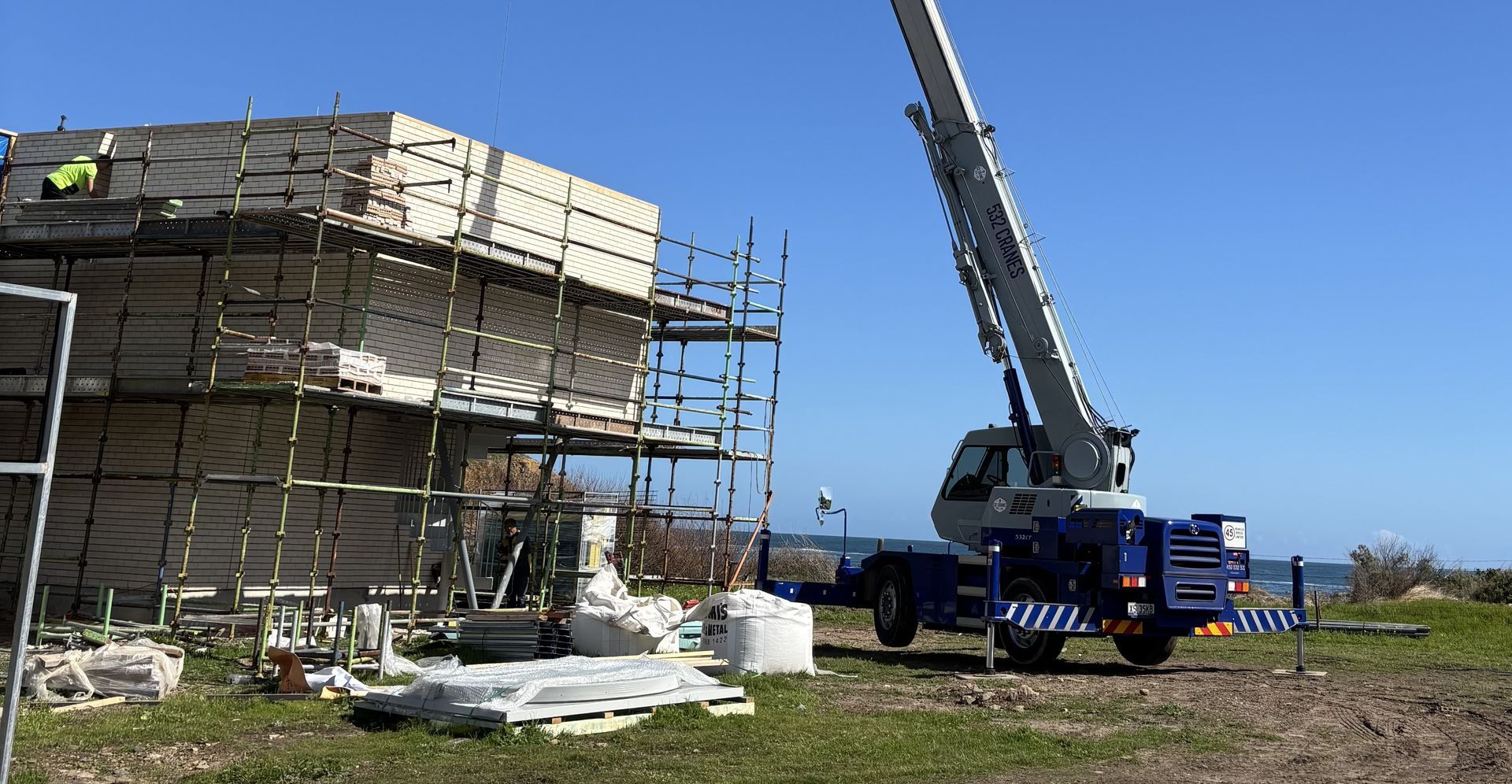
A load removed from a truck beside the crane creates different requirements from one placed behind a building, over a fence or deep within a construction site. Photos, plans and approximate measurements help clarify the required radius.
If several items will be lifted, explain whether the crane can remain in one position or must relocate around the site. Each setup position requires suitable space and ground conditions.
Lift height and surrounding structures matter
Provide the approximate pickup and placement heights. Roof structures, scaffolding, trees, powerlines and building edges may influence the boom position and available lifting path.
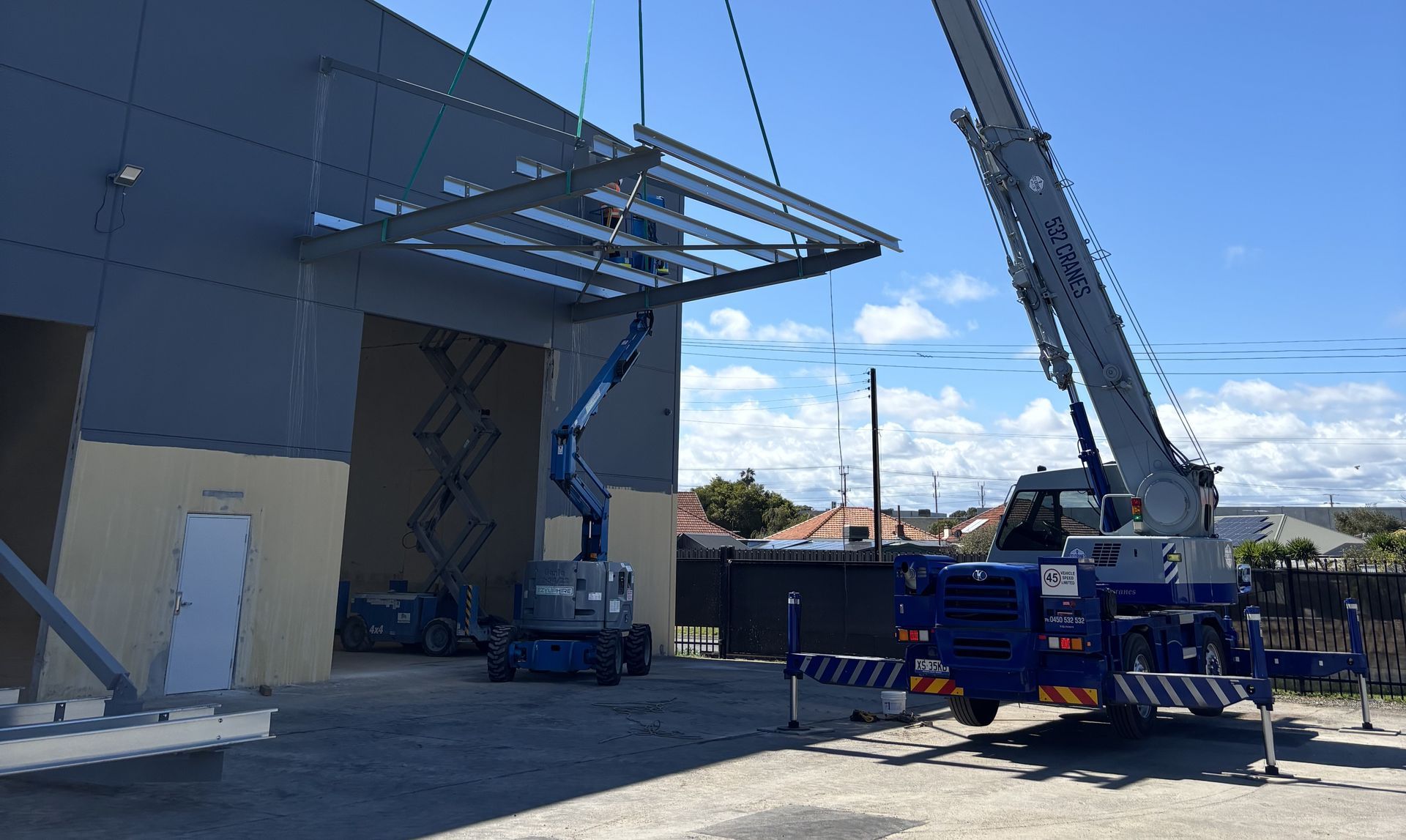
The highest point of the load and any rigging between the hook and the item must also be considered. A component placed onto a roof or upper-level frame may require more boom height than the finished installation level suggests.
For beams, columns and fabricated frames, review our structural steel lifting service for more information about preparing component details and installation sequences.
Access determines whether the crane can reach the setup area
Crane suitability means little if the unit cannot enter or move through the site. Send photos of gates, driveways, corners, overhead restrictions and temporary access routes.
Parked vehicles, stored materials, scaffolding and other trades may need to be moved before arrival. The access path and setup area should remain clear for the scheduled period.
Suburban and inner-city sites may also require consideration of street access, local traffic, delivery vehicles and nearby properties.
Ground and setup conditions must be suitable
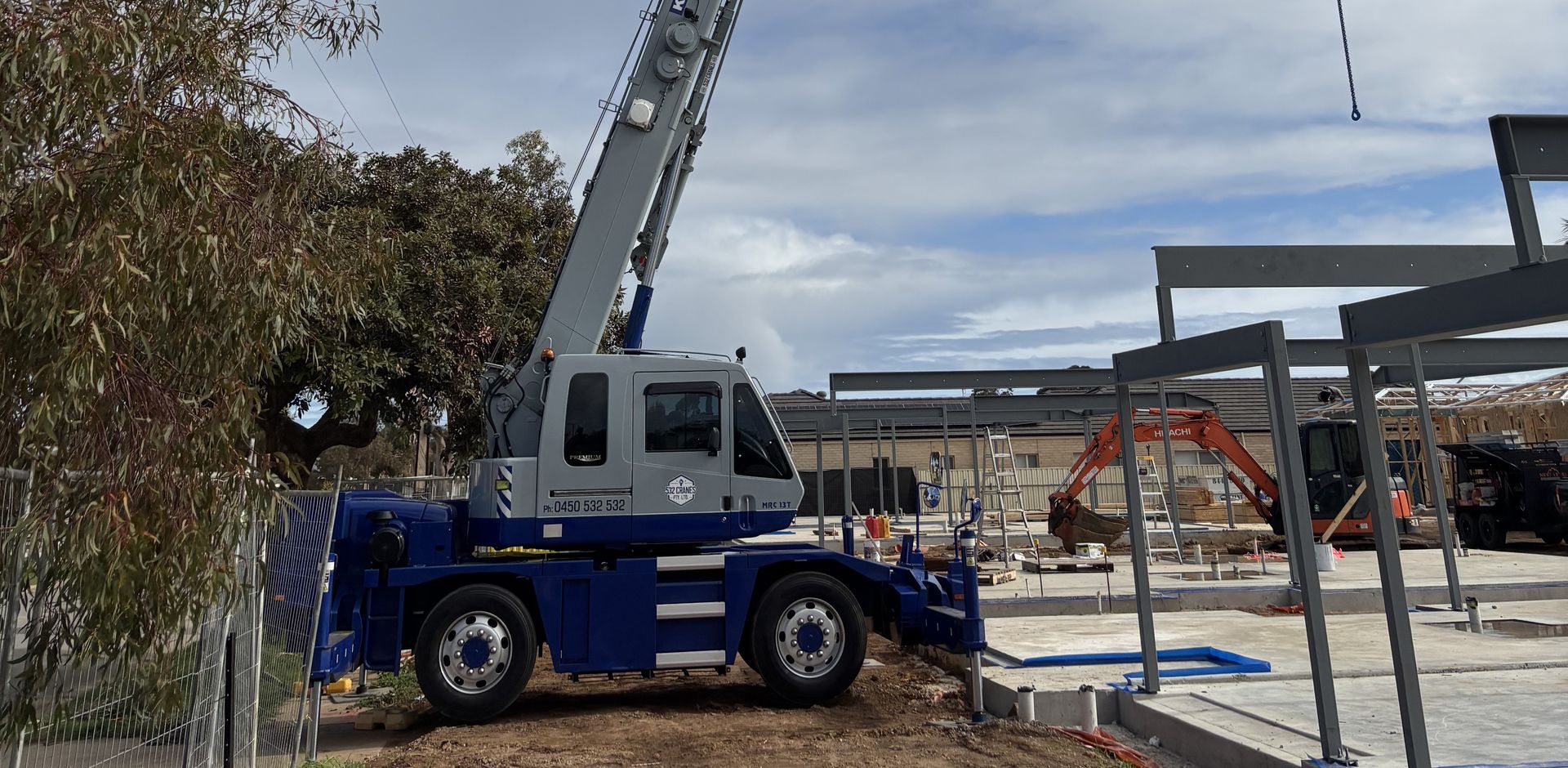
The crane requires a stable setup area. Tell the provider about recent excavation, filled ground, pits, underground services, drainage, soft surfaces or other conditions that may affect stability.
Site photos are useful, but they should be supported by accurate information from the builder, site controller or property owner. Conditions that are not visible at the surface may still influence the available setup location.
Preparing access and setup conditions before arrival reduces delays and allows the operator to focus on the planned lift.
The type of load helps define the service
Structural steel, building materials, machinery and general equipment can create different handling requirements. The lifting points, receiving crew and final positioning method should be confirmed before booking.
Projects involving machinery, tanks, materials or other awkward items may suit our load lifting and positioning service. The crane provider can review the information and advise whether the available fleet is appropriate.
What information should you send?
- Confirmed load weight and dimensions
- Photos, drawings or manufacturer specifications
- Pickup and placement locations
- Approximate working radius and lift height
- Site access and proposed setup photos
- Known overhead and ground hazards
- Preferred date and project timing
- On-site contact details
Sending these details together gives the crane provider a clearer basis for assessing the job and reduces unnecessary back-and-forth.
Arrange crane hire based on the full lifting requirement
The right crane is determined by the complete project, not load weight alone. Reach, height, access, setup space and placement requirements all need to be reviewed before attendance can be confirmed.
Learn more about our Adelaide crane hire service, or contact our team with the load information and site photos to discuss your lift.