What to provide when requesting an urgent crane call-out
Urgent lifting work still needs accurate information and a suitable site setup. A crane cannot be dispatched responsibly based only on a brief description of the problem. The provider needs to understand the load, required reach, site access and timing before confirming whether the available fleet is appropriate.
532 Cranes offers urgent crane call-outs across Adelaide seven days a week, subject to crane availability and site suitability. Providing the following details at the first point of contact helps the team assess the request efficiently.
Start with the exact site location and required timing
Provide the full site address, the required date and the preferred attendance time. Explain why the lift is urgent and whether the timing is linked to a delivery, installation crew, road access window or another scheduled activity.
Urgent does not always mean immediate. The crane may already be committed to another project, and travel time must be considered. Clear timing information allows the provider to assess what is realistically possible.
Include the name and mobile number of the person who will be on site and authorised to coordinate the lift.
Confirm the load weight and dimensions
The confirmed load weight is essential. Use manufacturer specifications, supplier documents, fabrication drawings or equipment records wherever possible rather than relying on estimates.
Provide the item’s length, width and height, along with photos. Long, uneven or awkward loads may require different handling arrangements from compact items of the same weight.
Identify any approved lifting points, frames, lugs or attachment locations. If the load does not have clear lifting points, mention this immediately so the requirement can be considered before attendance.
Explain the pickup and placement locations
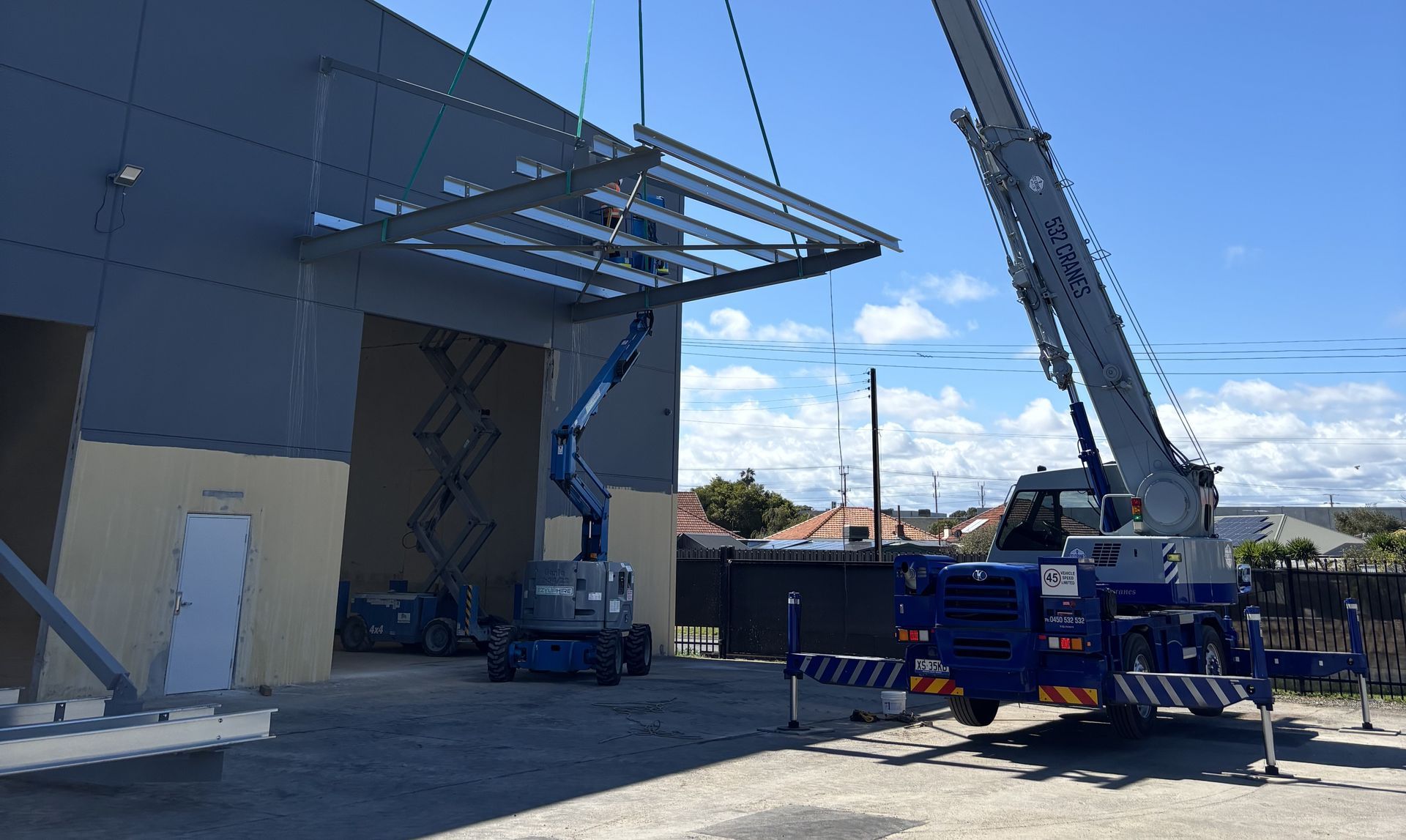
Describe where the load is currently positioned and where it needs to be placed. Include the approximate distance between the proposed crane setup point and both locations.
A load beside a truck can create a very different lifting requirement from one behind a structure, over a fence or deep within a worksite. Working radius affects crane capacity, so photos and approximate measurements are useful.
If the project involves machinery, building materials or other general items, review our load lifting and positioning service for the types of information normally required.
Send site access and setup photos
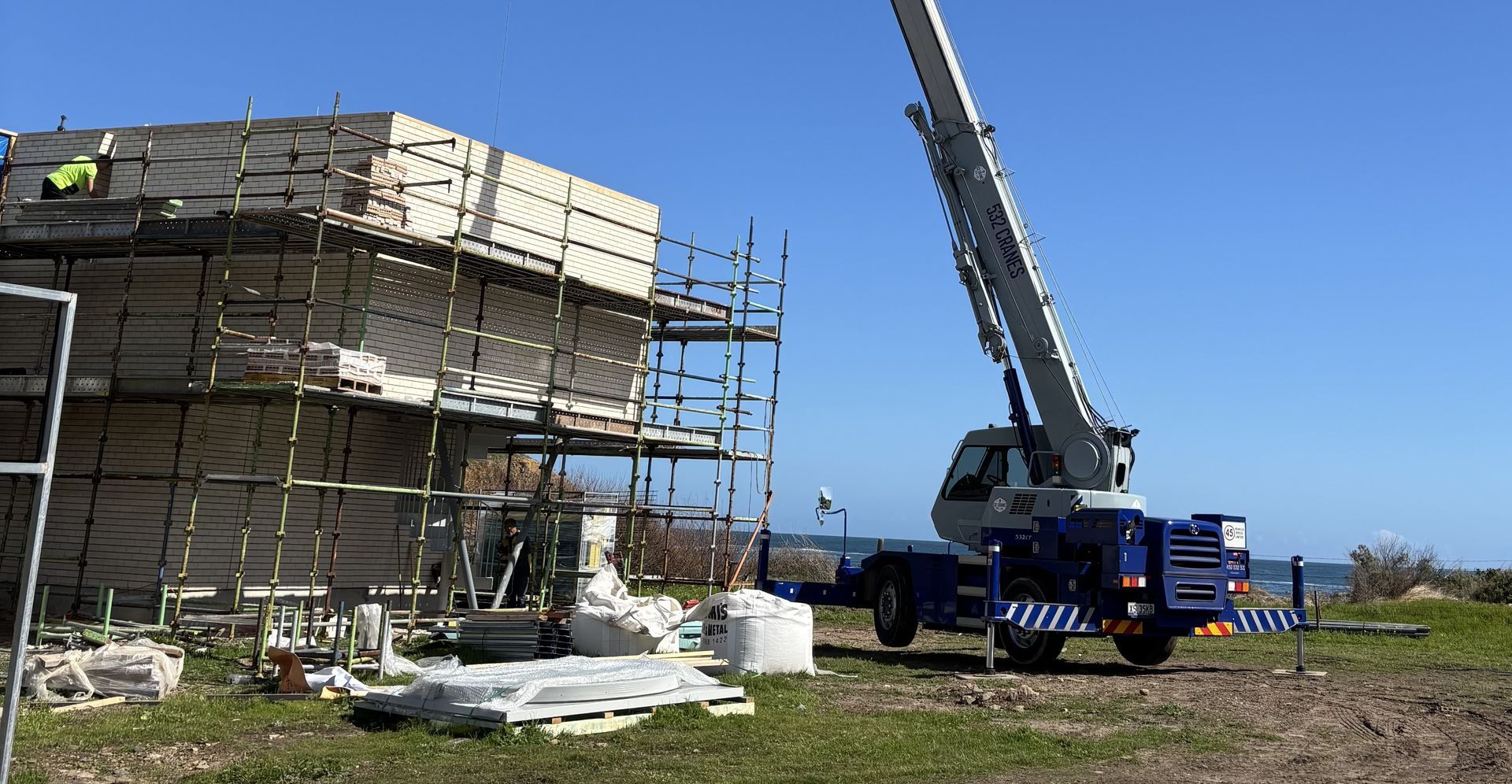
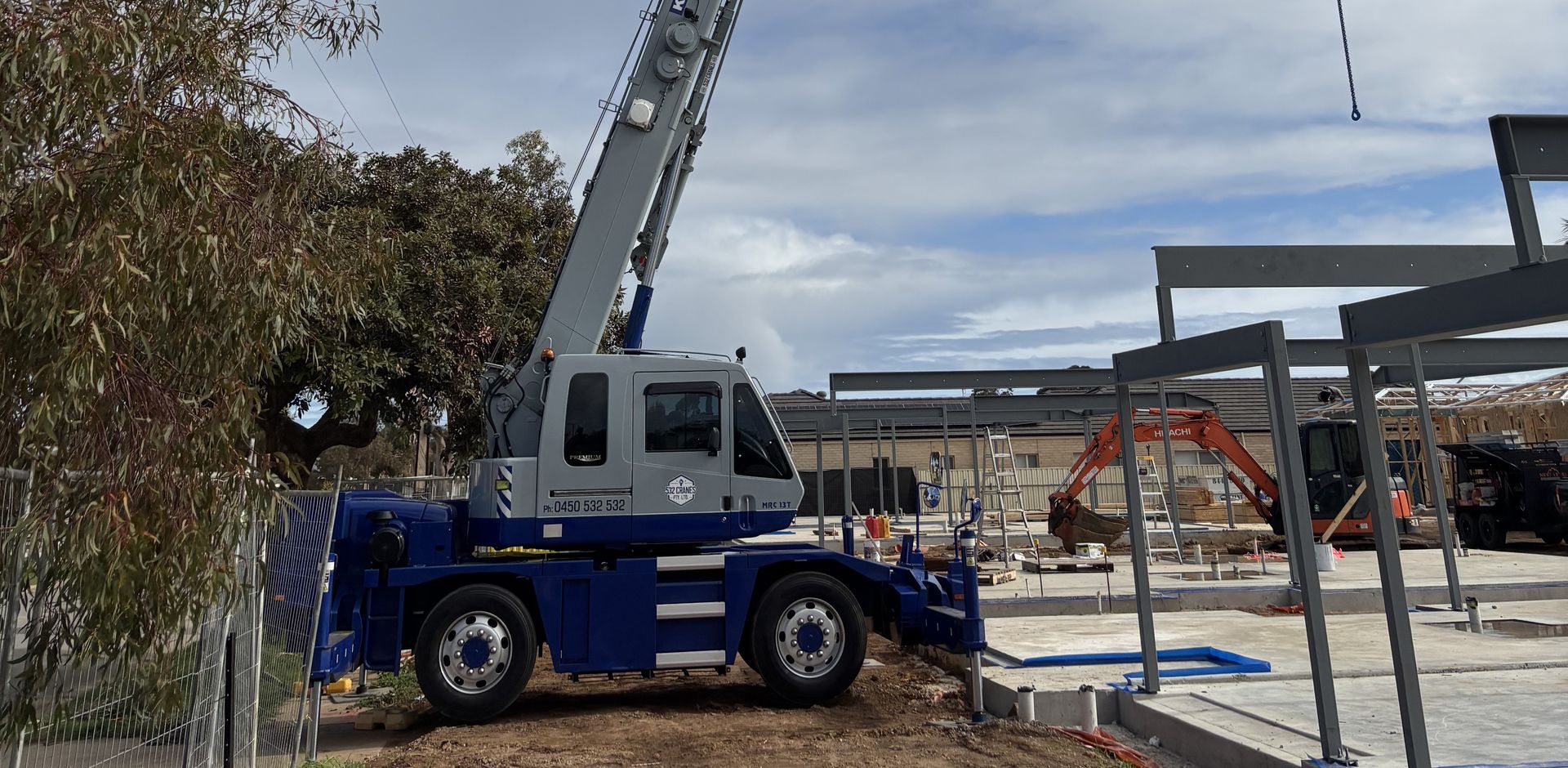
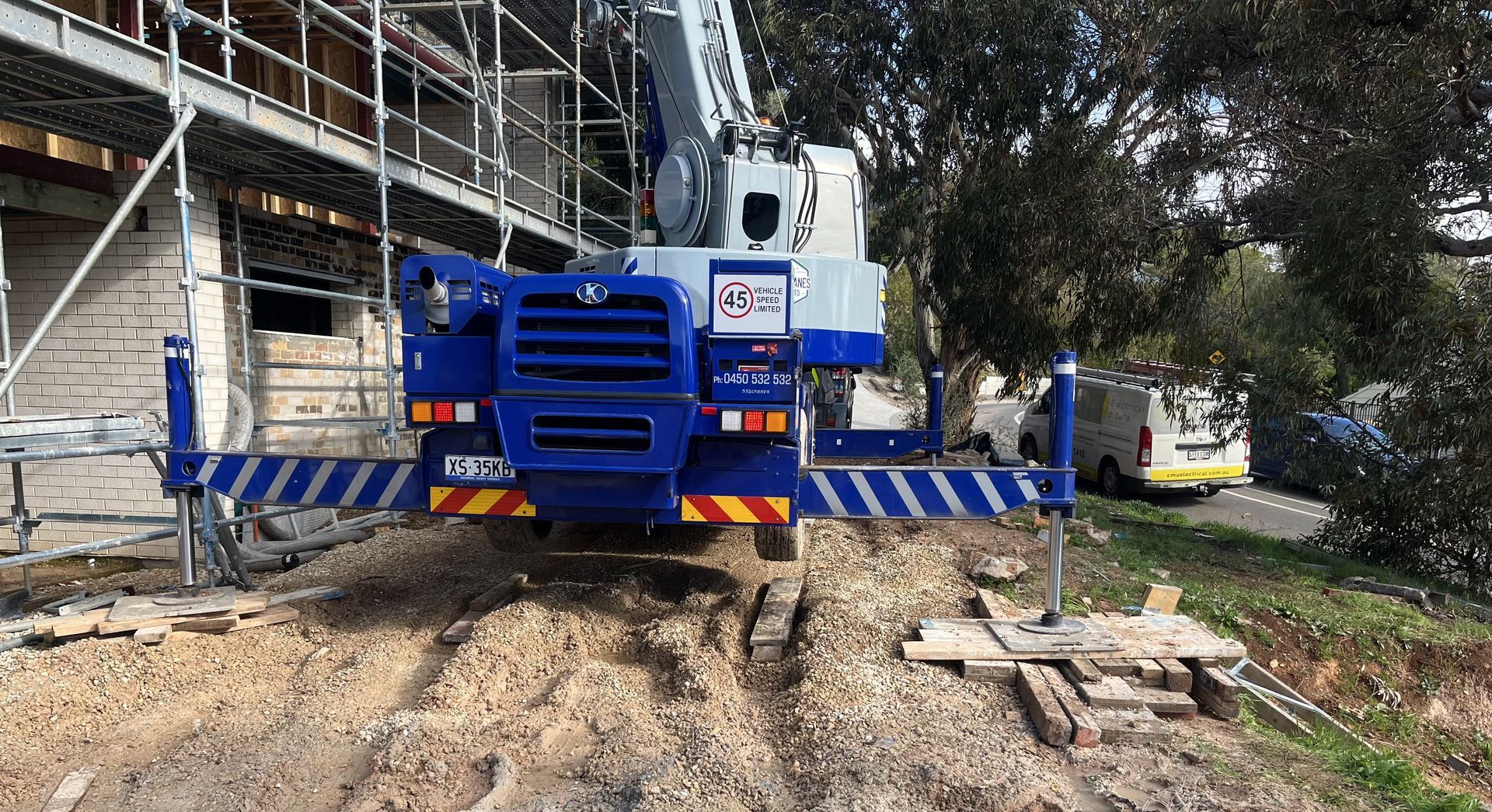
Photos or a short video should show the entrance, travel route, proposed crane position and lifting area. Include gates, driveway widths, parked vehicles, scaffolding, buildings and overhead restrictions.
The crane needs a level and stable setup area. Mention recent excavation, filled ground, pits, underground services, drainage infrastructure or soft surfaces that may affect the proposed position.
If access relies on another vehicle or trade moving first, confirm that this can be arranged before the crane arrives.
Identify overhead and surrounding hazards
Powerlines, trees, roof structures, communication lines and scaffolding can affect the lifting path. These hazards should be visible in the photos and described clearly.
Also consider what is happening around the site. Other workers, vehicles and members of the public may need to be kept outside the lifting zone while the job is completed.
The site controller should advise whether traffic management, temporary access restrictions or coordination with other trades is required.
Prepare the load and receiving crew
Urgent call-outs can still be delayed if the load is not ready. Remove packaging, loose items and obstructions that prevent access to the lifting points.
The receiving area should also be prepared. Supports, installers, fixings and tools need to be ready when the load reaches its final position.
Confirm who will direct the lift and who will secure or install the item. Clear communication between the crane operator and site team is essential during precise positioning.
Information checklist for an urgent crane request
- Exact site address
- Required date and time
- Reason the lift is time-sensitive
- Confirmed load weight and dimensions
- Photos or drawings of the load
- Pickup and placement locations
- Approximate reach and lifting height
- Access and setup photos
- Known overhead and ground hazards
- On-site contact details
For broader information about the available fleet and project assessment, explore our crane hire service. Structural steel projects may also require details covered on our structural steel lifting page.
Request urgent crane availability with the right information
The fastest way to receive a useful response is to provide complete and accurate details at the start. This allows the team to review crane availability, travel requirements, equipment suitability and site conditions without unnecessary delays.
Learn more about our urgent crane call-out service, or contact our team with the site address, load details and photos for assessment.