What to organise before a structural steel crane lift
Structural steel lifts rely on accurate information, clear sequencing and a prepared work area. A crane may be suitable for the component weight, but access, working radius and placement requirements can still affect how the lift is completed. Organising the right details before booking helps the crane operator assess the project and reduces avoidable delays once the equipment arrives.
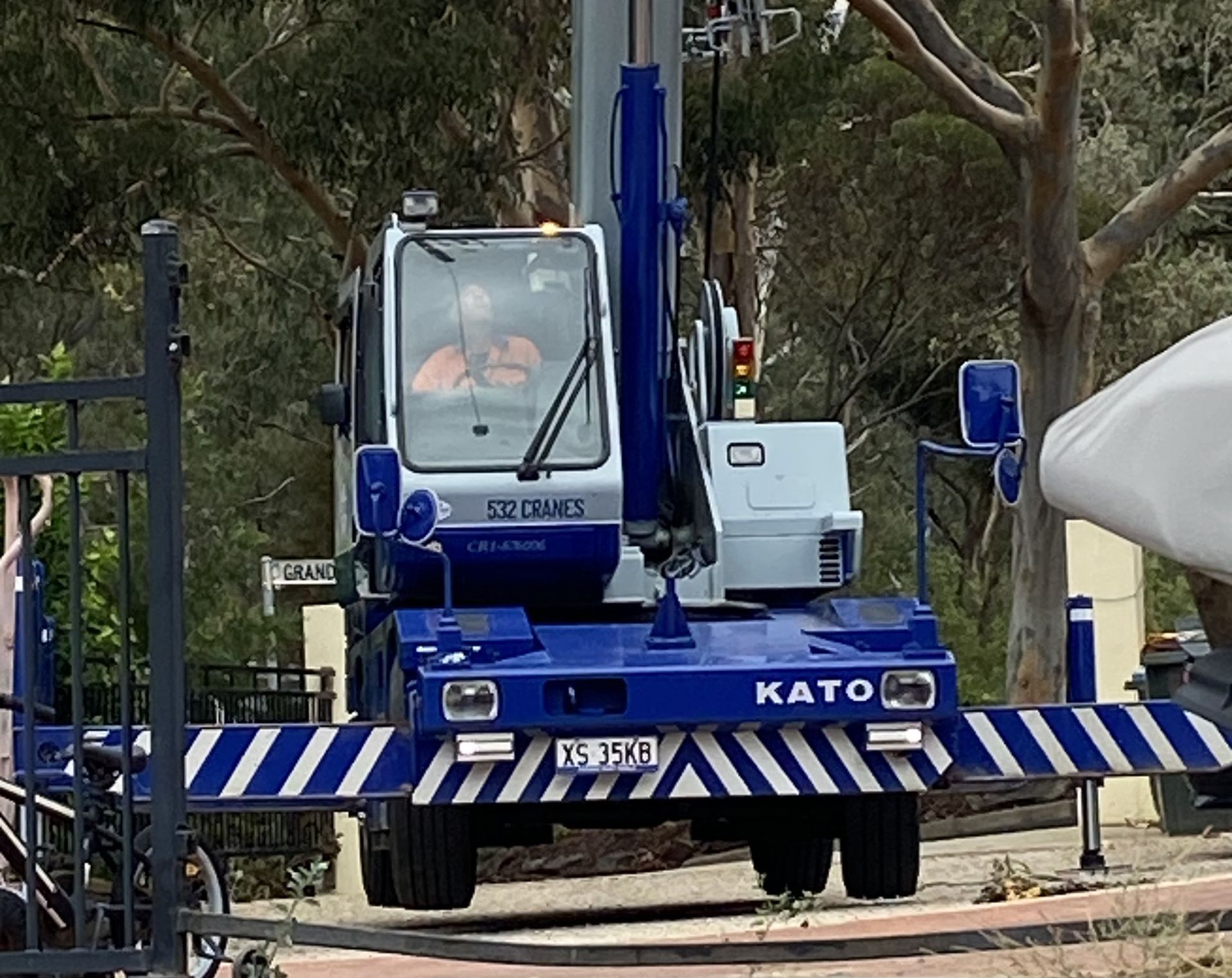
532 Cranes supports builders, steel contractors and construction teams across Adelaide with structural steel lifting using a KATO 13-tonne and Tadano 10-tonne slewing crane. The following checklist explains what project teams should prepare before requesting a quote or confirming attendance.
Confirm the weight of each steel component
Provide the weight of every beam, column, frame or fabricated section that needs to be lifted. The total steel package weight is less useful than the weight of the individual components because each item will be handled separately.
Fabrication drawings, supplier documents and engineering schedules are usually the best sources. Avoid relying on visual estimates, particularly for fabricated frames or components with plates, brackets and additional fittings.
The required crane capacity also changes with working radius. A load positioned close to the crane is different from the same load placed farther away, so accurate weight and placement details must be considered together.
Identify pickup and installation points
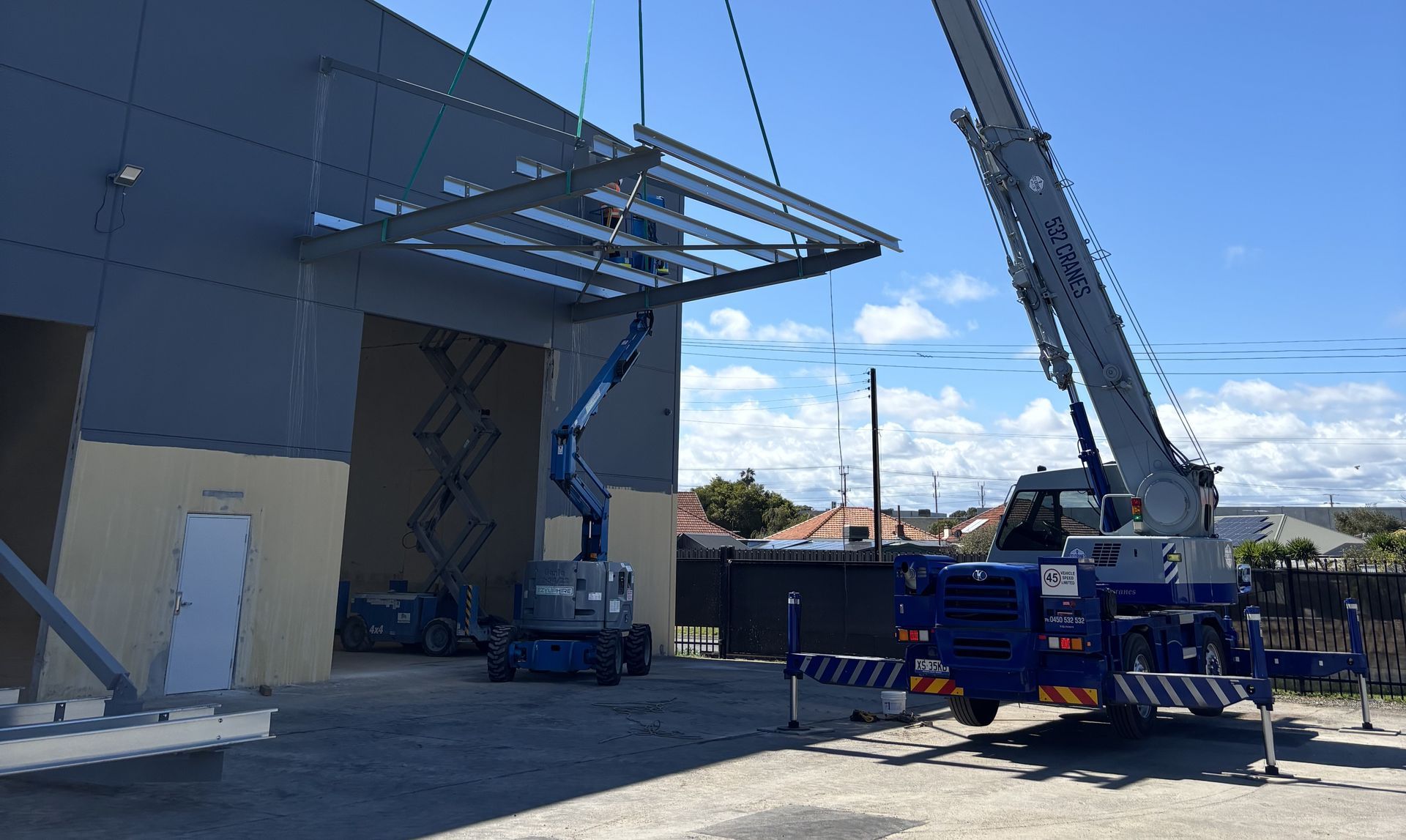
Explain where each steel component will be collected and where it must be installed. Include the approximate lifting height, distance from the proposed crane position and any structures between the crane and the placement point.
Where possible, arrange the steel in the intended installation sequence. This reduces unnecessary handling and helps the crew avoid moving components that are blocking the next scheduled lift.
If the steel is arriving by truck, confirm where the vehicle can park and whether the crane can access both the unloading point and the installation area from the same setup position.
Review access and setup conditions
Send current photos of the site entrance, travel path and proposed setup area. Include gates, narrow driveways, scaffolding, parked vehicles, temporary fencing and any other conditions that could affect access.
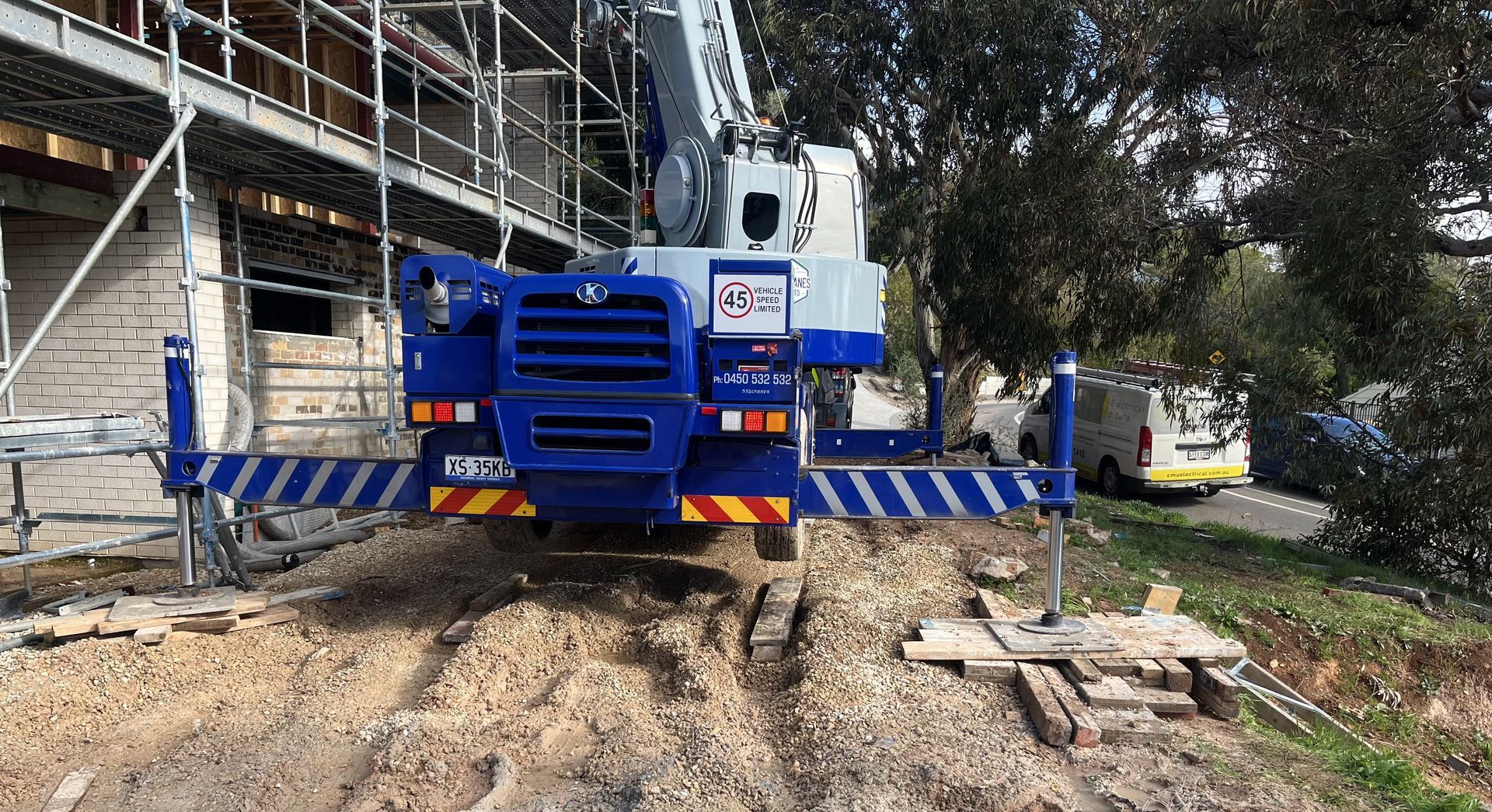
The crane setup area should be level, stable and clear of stored materials. Tell the crane provider about recent excavation, filled ground, pits, drainage infrastructure or underground services that may affect the setup location.
Overhead hazards also need to be identified early. Powerlines, trees, building edges and temporary structures may influence the crane position and available lifting path.
Coordinate installers and site communication
The receiving crew should be ready when the steel reaches its placement point. Confirm who will guide the load, who will direct the lift and who is responsible for securing each component.
532 Cranes operates on private front radio channels to help reduce outside interference during precise lifting work. Clear instructions remain essential, so the site team should understand the agreed communication method and lift sequence before work begins.
Other trades, vehicles and pedestrians should be kept outside the lifting area. The principal contractor or site controller may need to coordinate exclusion zones and temporary access restrictions.
Information to provide when requesting structural steel lifting
- Site address and preferred date
- Individual component weights and dimensions
- Fabrication drawings or steel schedules
- Pickup and installation locations
- Required lifting height and approximate reach
- Photos of access and the setup area
- Known overhead and ground hazards
- On-site contact and installation sequence
For broader information about available equipment and project assessment, explore our crane hire services. Projects involving other materials or equipment may also suit our load lifting and positioning service.
Plan your steel lift with accurate project details
Careful preparation helps the crane operator assess suitability and allows the steel crew to organise an efficient installation process. Component weights, site photos and placement details are the most useful starting points.
Learn more about our structural steel lifting service, or contact our team with your plans, load information and preferred timing to discuss the project.